Staying Fresh in Early Byzantium
The lecture will focus on a group of selected illustrative recipes for body cleansers and powdered deodorants from Book VIII

The lecture will focus on a group of selected illustrative recipes for body cleansers and powdered deodorants from Book VIII
This talk examines how dream colours were linked to the humours in medieval Arabic and Latin texts, tracing their transmission
In this lecture, Daniella Zaidman-Mauer examines how Yiddish texts articulated integrated medical and religious responses to epidemic disease in early
A fourteenth-century Persian text on Chinese medicine describes blood “making rounds” through the body; what this implies for the history
This lecture examines how Renaissance gynaecological authors used Pliny the Elder’s "Natural History" as a source for medical knowledge, cases,
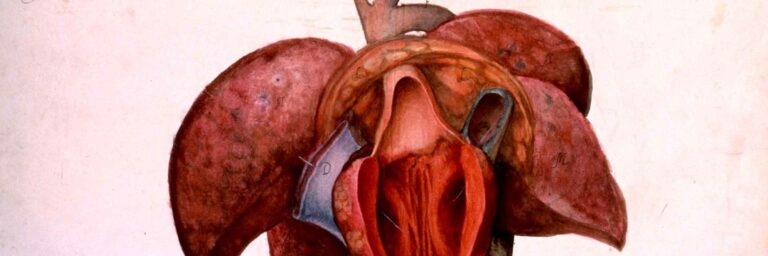
This lecture reassesses Michael Servetus’s account of pulmonary blood transit within its sixteenth-century theological and medical context, arguing that later
In this lecture, Henrique Leitão shows how sixteenth-century 'Problemata literature' remained a flexible explanatory genre that allowed causal investigation without
Why do medicines work? This lecture revisits fourteenth-century Italy, where physicians such as Taddeo Alderotti and Dino del Garbo sought
Focusing on Philoponus's commentary on Aristotle’s "Physics", this lecture will examine the recovery of the Greek text and its later
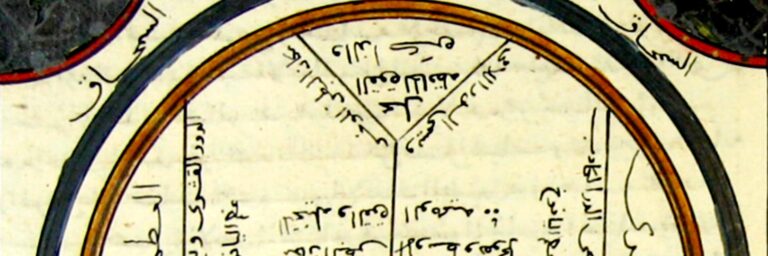
Sharhzad Irannejed examines medieval Islamicate diagrams of the brain and its ventricles as variable scribal artefacts, arguing that their visual