Pliny and Renaissance Gynaecology
This lecture examines how Renaissance gynaecological authors used Pliny the Elder’s "Natural History" as a source for medical knowledge, cases,
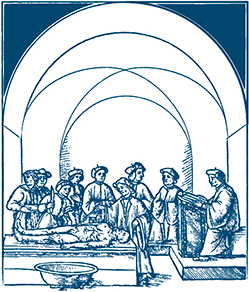


This lecture examines how Renaissance gynaecological authors used Pliny the Elder’s "Natural History" as a source for medical knowledge, cases,
Why do medicines work? This lecture revisits fourteenth-century Italy, where physicians such as Taddeo Alderotti and Dino del Garbo sought
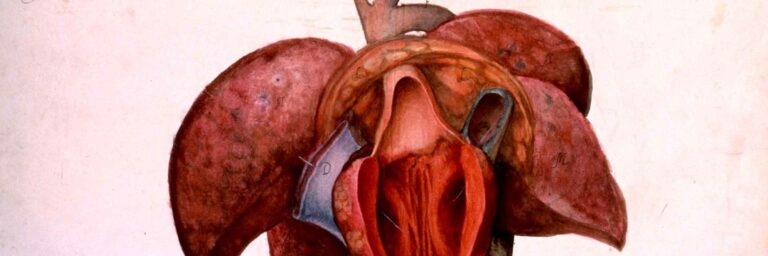
This lecture reassesses Michael Servetus’s account of pulmonary blood transit within its sixteenth-century theological and medical context, arguing that later
In this lecture, Henrique Leitão shows how sixteenth-century 'Problemata literature' remained a flexible explanatory genre that allowed causal investigation without
Focusing on Philoponus's commentary on Aristotle’s "Physics", this lecture will examine the recovery of the Greek text and its later
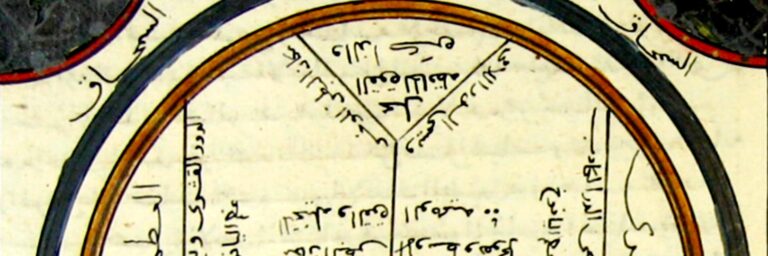
Sharhzad Irannejed examines medieval Islamicate diagrams of the brain and its ventricles as variable scribal artefacts, arguing that their visual
What are occult qualities, and why did they become a central problem in Renaissance natural philosophy and medicine? This lecture
in this talk, Brooke Holmes presents the history of the ancient concept of "sympatheia", from the emergence of the language
In this lecture, Monica Green explores how pathogen palaeogenetics, through ancient microbial genomes, is transforming our understanding of the evolution
The talk explores how George Eberhard Rumphius’s natural history and medicinal botany in the Dutch colonial archipelago were shaped by