
Rethinking the Living Body
Santorio Lecture 2026
Rethinking the Living Body
Physiology and the Crisis of Galenism in 17th-Century Naples
Simona Ferrara
Seventeenth-century medicine is often described as a transition from Galenic tradition to mechanical and corpuscular accounts of the body. Yet this transformation was neither linear nor governed by a single alternative.
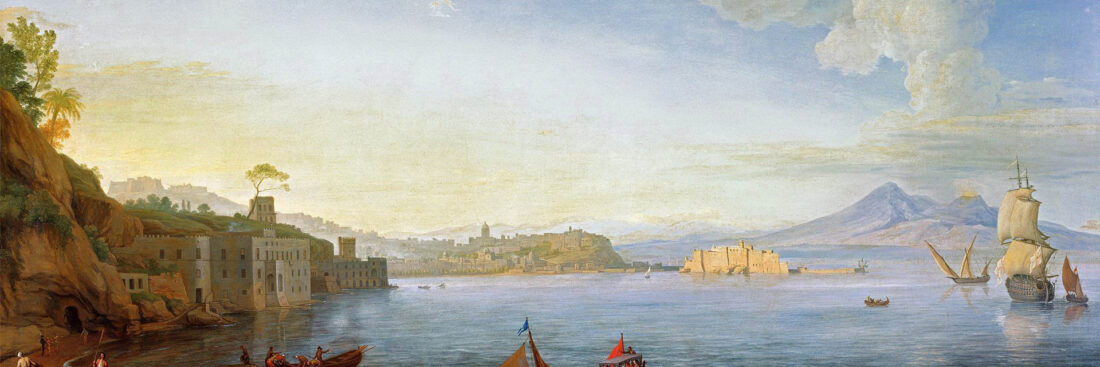
Neapolitan science and medicine offer a revealing context for reconsidering it. There, criticism of Galenic authority, appeals to libertas philosophandi, experimental inquiry, chemical medicine and new anatomical discoveries generated competing explanations of life and bodily function.
This Santorio Lecture examines these debates by focusing on Sebastiano Bartoli (1630-1676), a Neapolitan physician and natural philosopher whose relationship with the Accademia degli Investiganti was significant but never straightforward.
Bartoli’s physiology rejected explanations based on innate heat, Galenic temperaments and faculties, while resisting the reduction of living beings to aggregates of inert atoms. At its center lay a fundamental question: what distinguishes a living, organized body from dead matter?
His appeal to the Helmontian Archeus and other spiritual agents offered a non-mechanistic framework for explaining disease and understanding digestion, blood formation and generation as processes of chemical transmutation.
By situating Bartoli within Neapolitan medical culture, the lecture argues that the crisis of Galenism produced not a single modern physiology, but a plurality of competing ways of rethinking the living body.