The Body of Evidence in Early Modern Germany
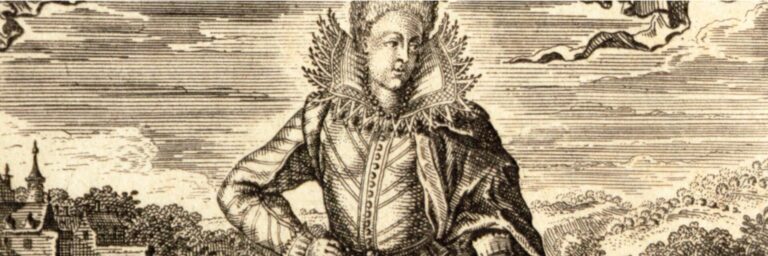
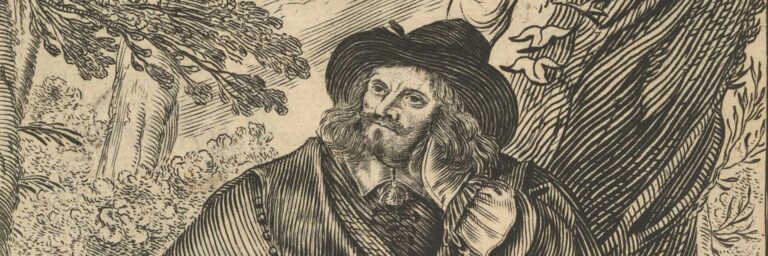
Through an examination of Katharina Kepler's witchcraft trial, Marco Ghione shows how ambiguous bodily symptoms were transformed into legal evidence

Through an examination of Katharina Kepler's witchcraft trial, Marco Ghione shows how ambiguous bodily symptoms were transformed into legal evidence
Set against the world of cheap print and wonder literature, this article investigates the case of a Spanish nun who
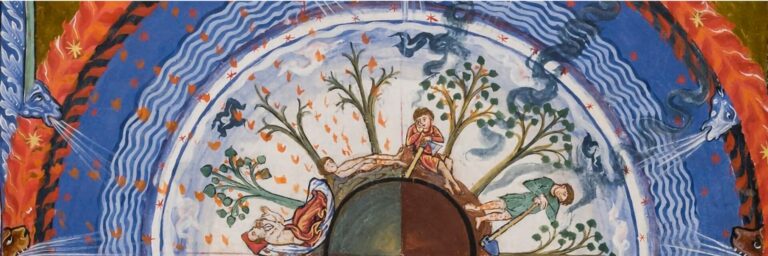
The article examines "Causae et curae" and the "Physica "to show that Hildegard explains disease through the corruption of the
Franciscus Sylvius and his pupil Reinier de Graaf transformed iatrochemistry from a speculative medical theory into a clinically grounded and
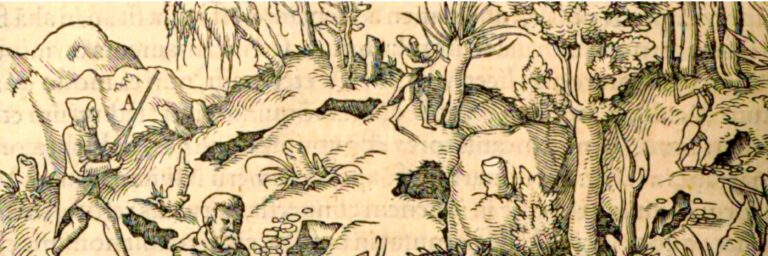
How were miners affected by their work? This article traces the illnesses they faced, the vocabulary they created to describe
Paul Sandro Heidelbach explores a 1688 satire that linked Kenelm Digby’s "sympathetic powder" to a supposed method for finding longitude
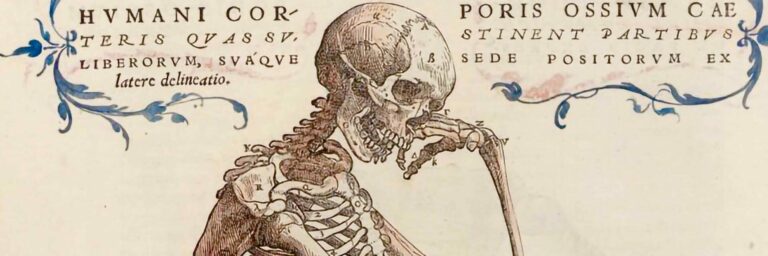
In this article Sabrina Engert examines how Andreas Vesalius’s "De humani corporis fabrica" and "Epitome" were re-edited, adapted, and transformed
Drawing on Coptic medical writings and related historical sources, this article examines honey’s evolving roles in treatment and ritual from
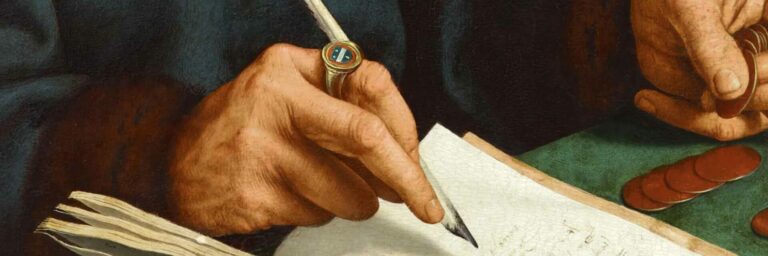
Through an analysis of trade manuals, personal notebooks (zibaldoni), and family records, Massimo Sbarbaro illustrates how merchants were not only
This article traces how seventeenth-century Naples became a crucible for alchemical debate over the elusive language of the universal cure.